
Leaders model and promote continuous professional learning for themselves and others.
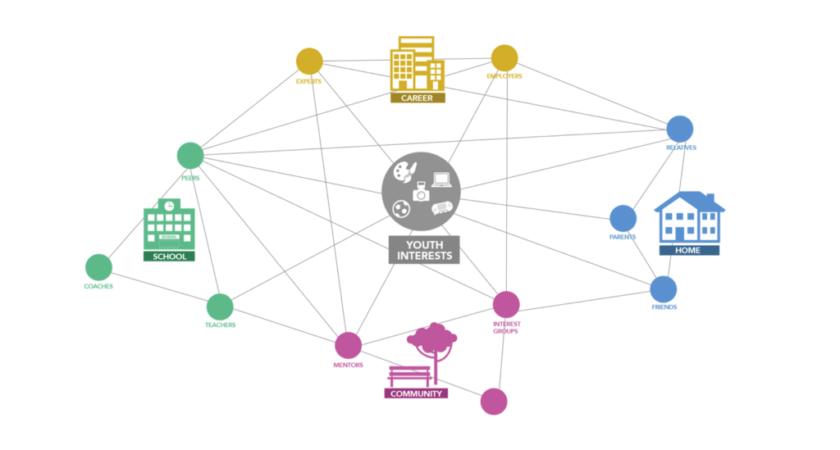
In my teaching experience in public schools and independent schools, I could understand how essential teachers’ professional development is to achieve quality education. Leaders, principals, and administrative staff are part of the school community and need to share experiences and learn from one to another. For teachers, the interaction is essential to implement better practices in their role. Educators need continually learn how to help their students to achieve higher levels of outcomes. According to Mizell (2010), it can be a formal process such as participation in conferences, seminars, workshops, courses in university or college, but it can also be an informal process. As informal, it can be collaborative learning such as discussions among colleagues, independent reading or research, observations of colleague’s work, and network. Both formal or informal models can occur in person or online.
Professional development is an integral component of all educational institutions, not just K-12 schools. In public schools, it focuses more on the skills that educators need to address students’ learning challenges. However, in the universities, it is also a way to improve students learning outcomes. As Queens University points, professional development increases teachers’ satisfaction and effectiveness in many aspects of their work (2020). Teachers learn better ways to teach, discover new teaching strategies, implement them in their lessons plan, evaluate and make changes in their curriculum. They can also develop better organization and planning skills, so they can focus more on their students rather than on paperwork; they gain knowledge and industry insight, and they want to continue their education to leadership positions (Queens University 2020).
Educational leaders might support the continued education of their teachers because the university alone is not enough to provide efficiency in their work. Teachers learn from experience. New teachers learn in collaborative work, sharing and observing experienced teachers. Research demonstrates that the complexity in teaching is so great that one-third of teachers leave their profession within three years (Mizell 2010 [Ingersoll 2003]). Teachers also need support in their collaborative work, sharing experiences about some issues such as classroom management, instruction, curriculum, school culture, test preparation, state standards, and parent relations. Mentoring new teachers in their initial years of experience have shown significant students achievement.
In my experience, I could observe how different is the teacher satisfaction and better work when professional development occurs continually in the school and outside the school. It can happen monthly with student’s dismissal, peers daily, or attending some conference or course provided by subject area occasionally. It also can be online as an independent work, or in groups attending workshops or networking with experts. I would reinforce that anyways; teaching is a better way to learn.
References
Mizell, H. (2010). Why Professional Development Matters. Retrieved from https://learningforward.org/wp-content/uploads/2017/08/professional-development-matters.pdf
Importance of Prof Development for Educators: Queens Online. qnstux. (2020, December 11). https://online.queens.edu/resources/article/professional-development-for-educators/
Image Graphic by Nat Soti. retrieved from https://lead.nwp.org/knowledgebase/what-is-connected-learning/